A live stream of standout moments from South African radio — a punchy quote, a sharp exchange, a revealing admission — picked as they air and posted with the audio. Press play; no sign-up needed.
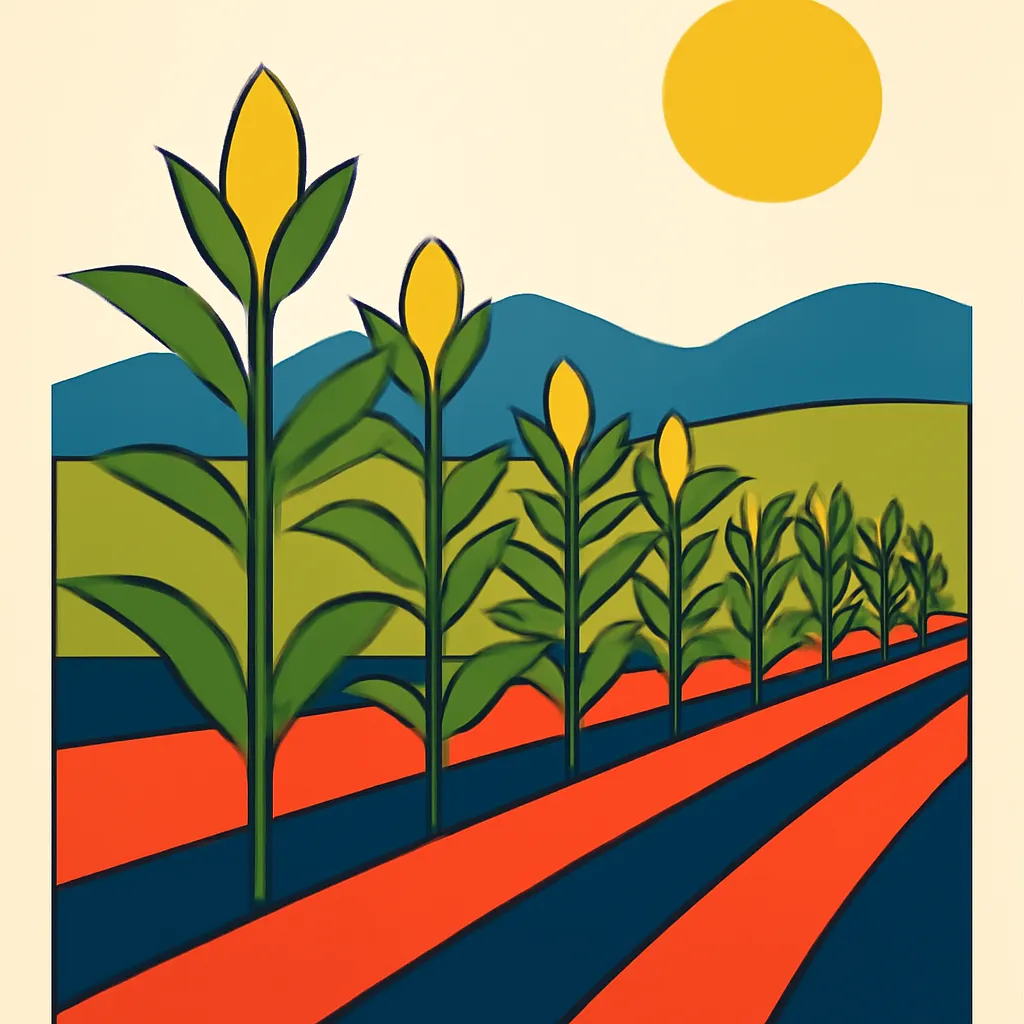
Deep bed farming helps Malawi farmers more than double their yields
A BBC World Service report says deep bed farming has been taught to 40,000 Malawian farmers, with yields more than doubling and food security within a year.
“By the time it was growing, it was already making decisions to say, hey, I need a co-Isaac Chavula is a country director of TNE, the NGO behind Deep Bed Farming.”
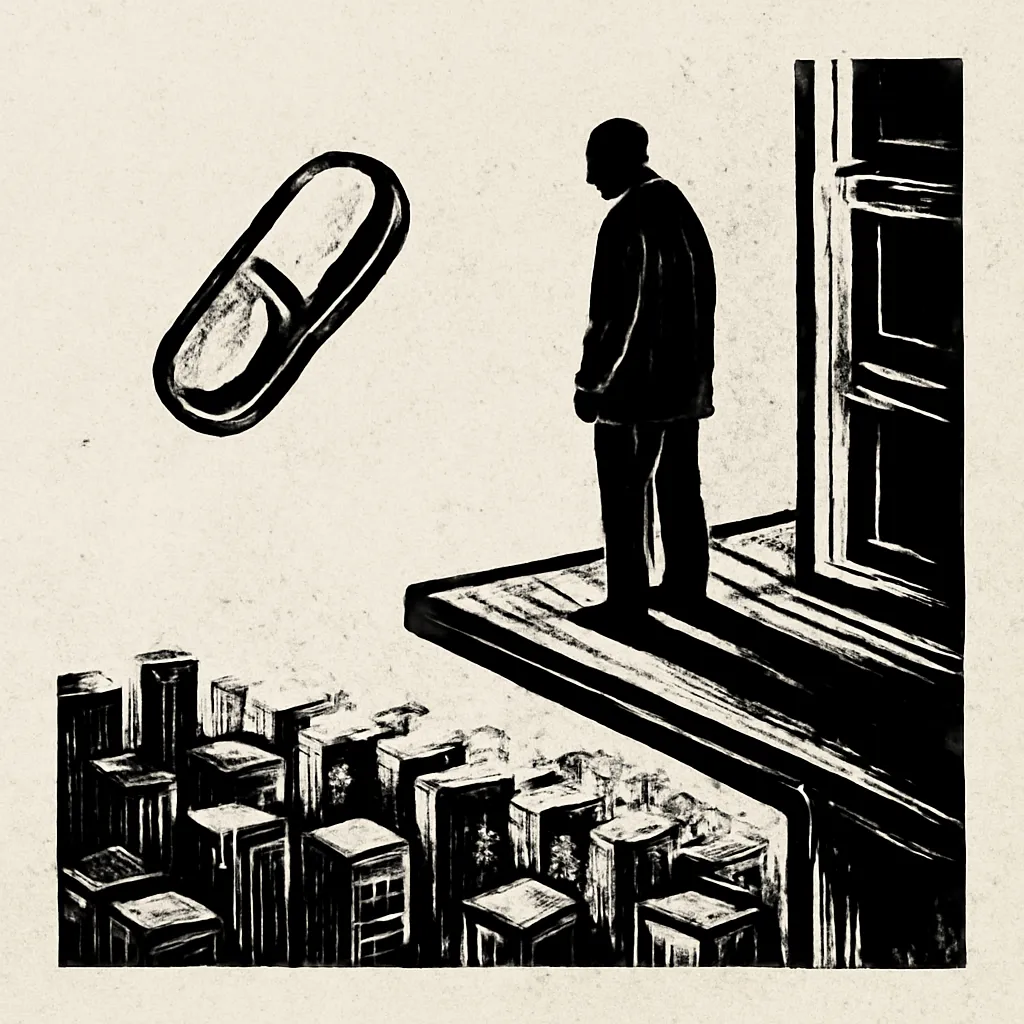
Study of 100,000 scans links brown fat to better health, and a BP drug may activate it
A Rockefeller University cardiologist says brown fat, activated by cold, is linked to fewer health conditions, and losartan activated it in cells and mice.
“But new research examining the medical records and scans of more than 100,000 patients has found that if you have more brown fat, it could reduce your likelihood of having various health conditions, including mental…”
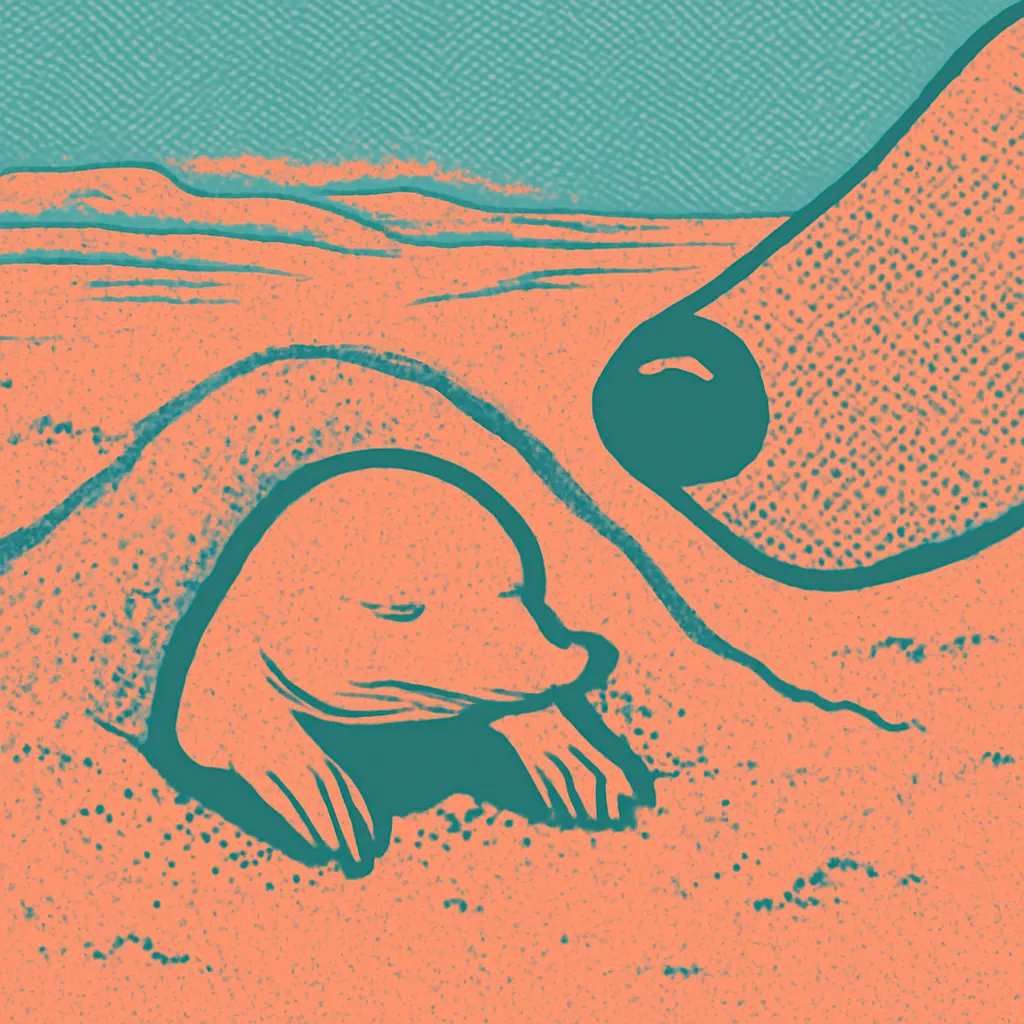
Sniffer dog and soil DNA rediscover golden mole unseen since 1937
A Cape Talk guest describes using a detection dog and soil eDNA to rediscover De Winton's golden mole on the West Coast.
“And this was the De Winton's golden mole. I don't know if you know what a golden mole is. It's a small subterranean mammal that lives underground. And we have 17 species in South Africa, 21 species in Africa.”
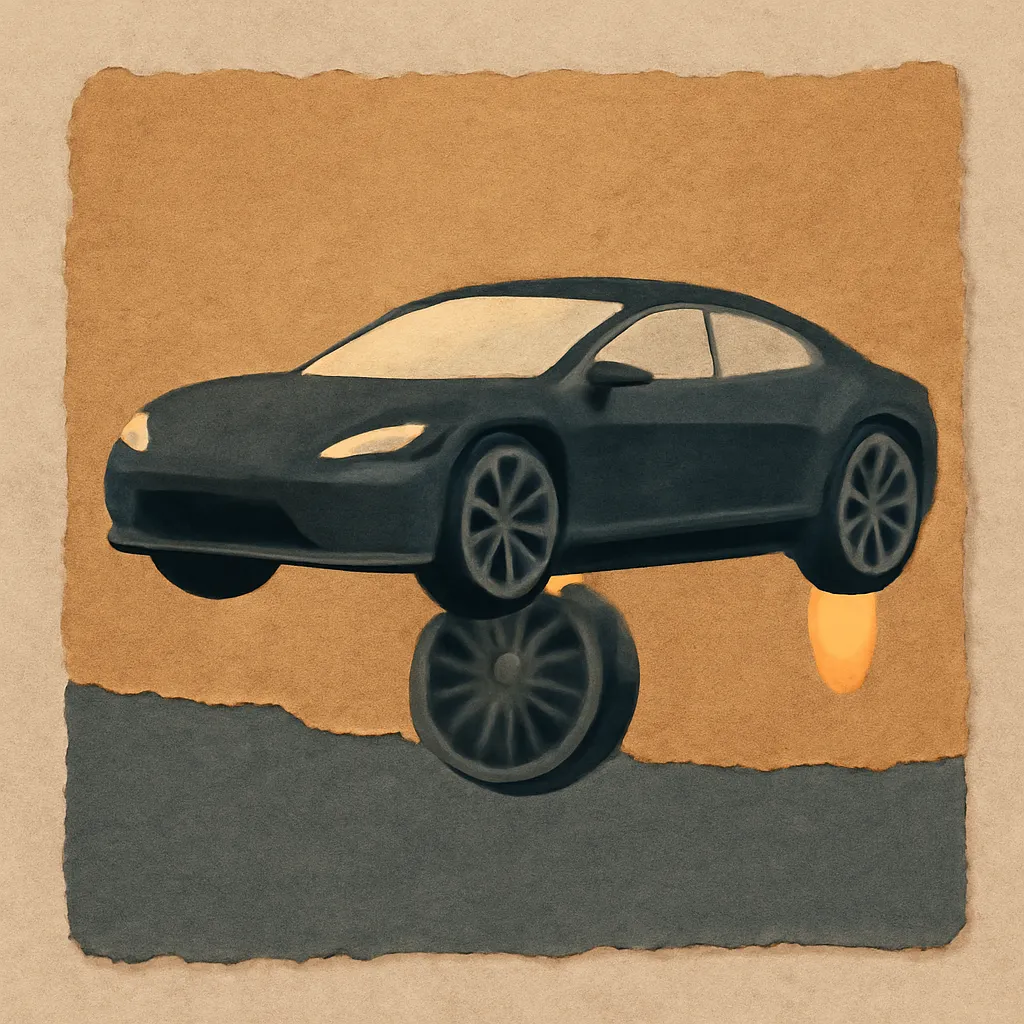
Musk's thruster roadster: 0-100 in 0.81 seconds, flying car a party trick
A 702 motoring guest explains the rocket-assisted electric roadster demo, its physics, and which versions the public may buy.
“But on a much bigger scale, fully controlled, and a car was then, let's call it, flying for five seconds or controlled to descend for five seconds. Thank you for using the word controlled descent.”
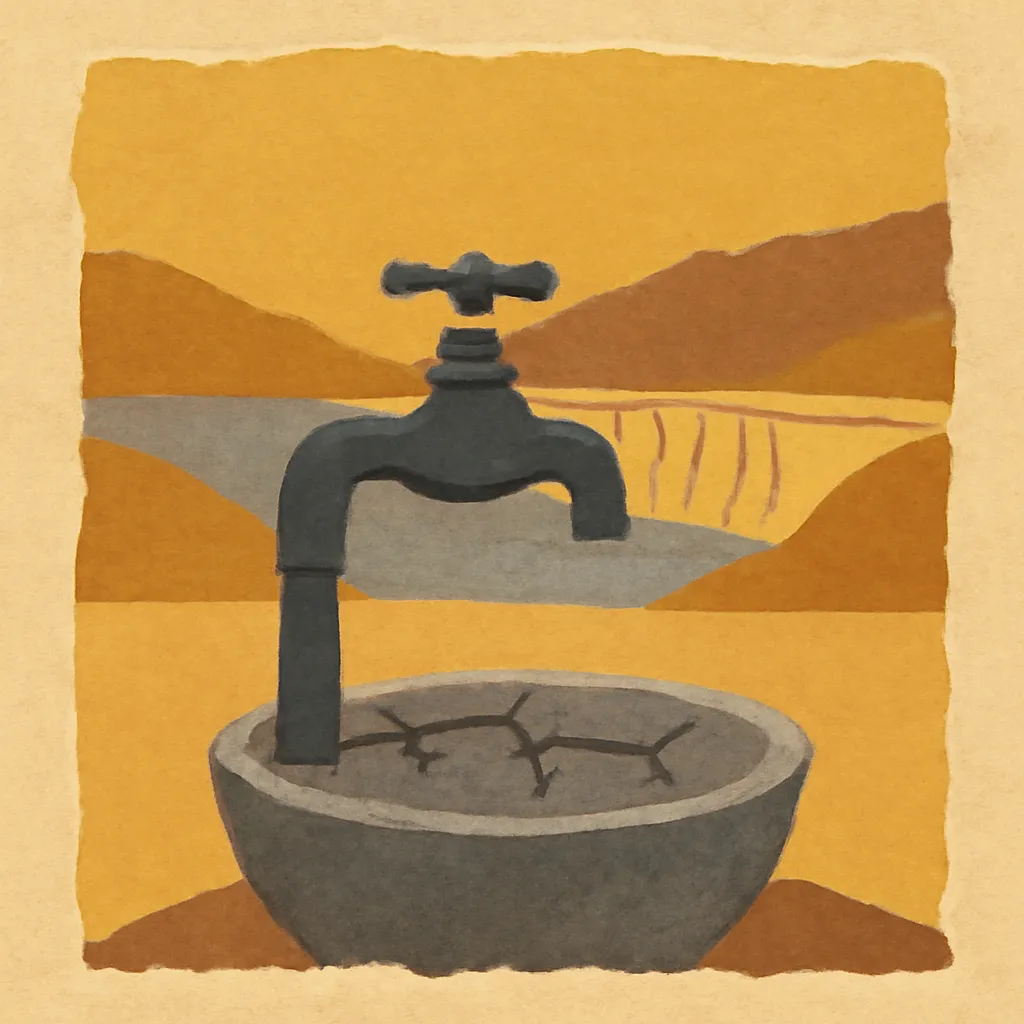
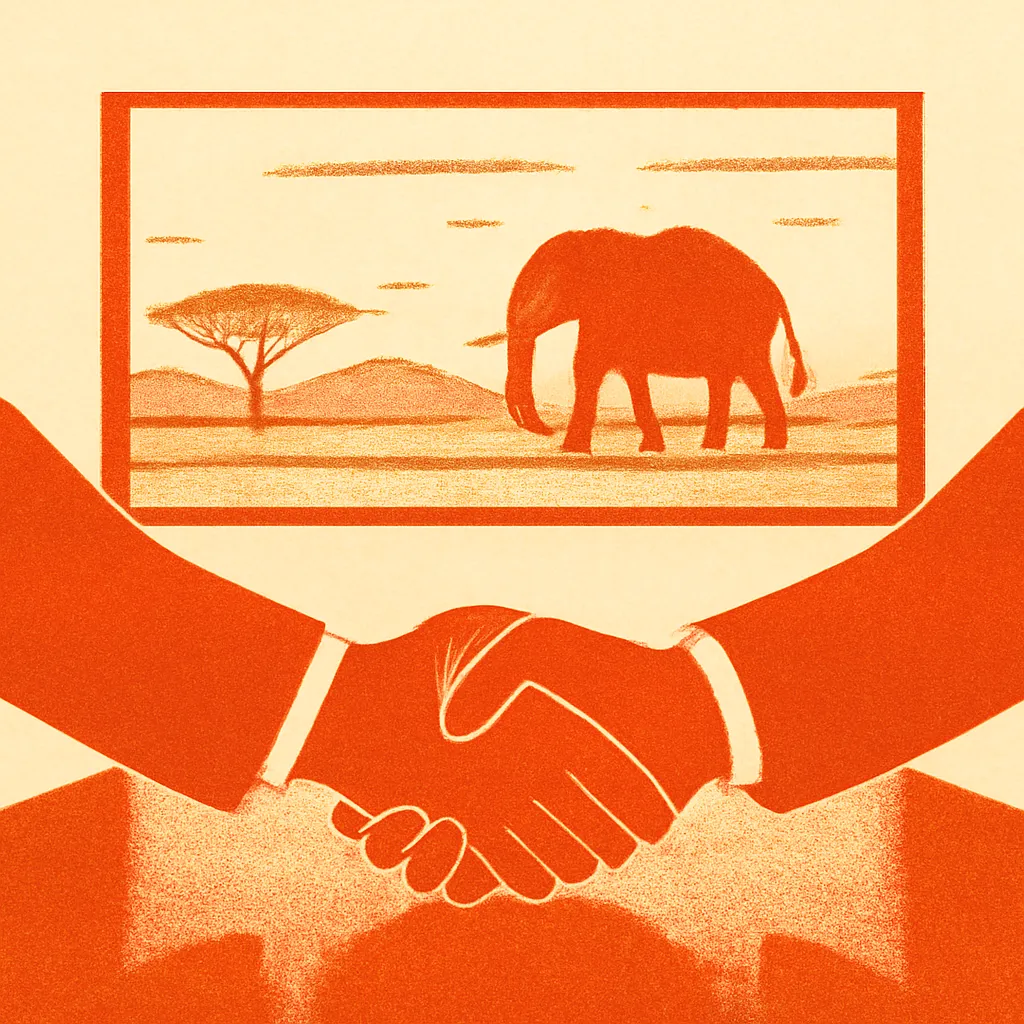
Water expert: Premier's El Nino excuse 'disingenuous', crisis is infrastructure
Watercan's Dr Fariel Adam says civil society warned for years, and rejects the Joburg mayor's claim that there is no water crisis.
“So, when you heard the Premier, as I no doubt assume you would have, saying it's El Nino, we were caught of God, we didn't know this was going to happen. Oh my goodness, what were your thoughts?”
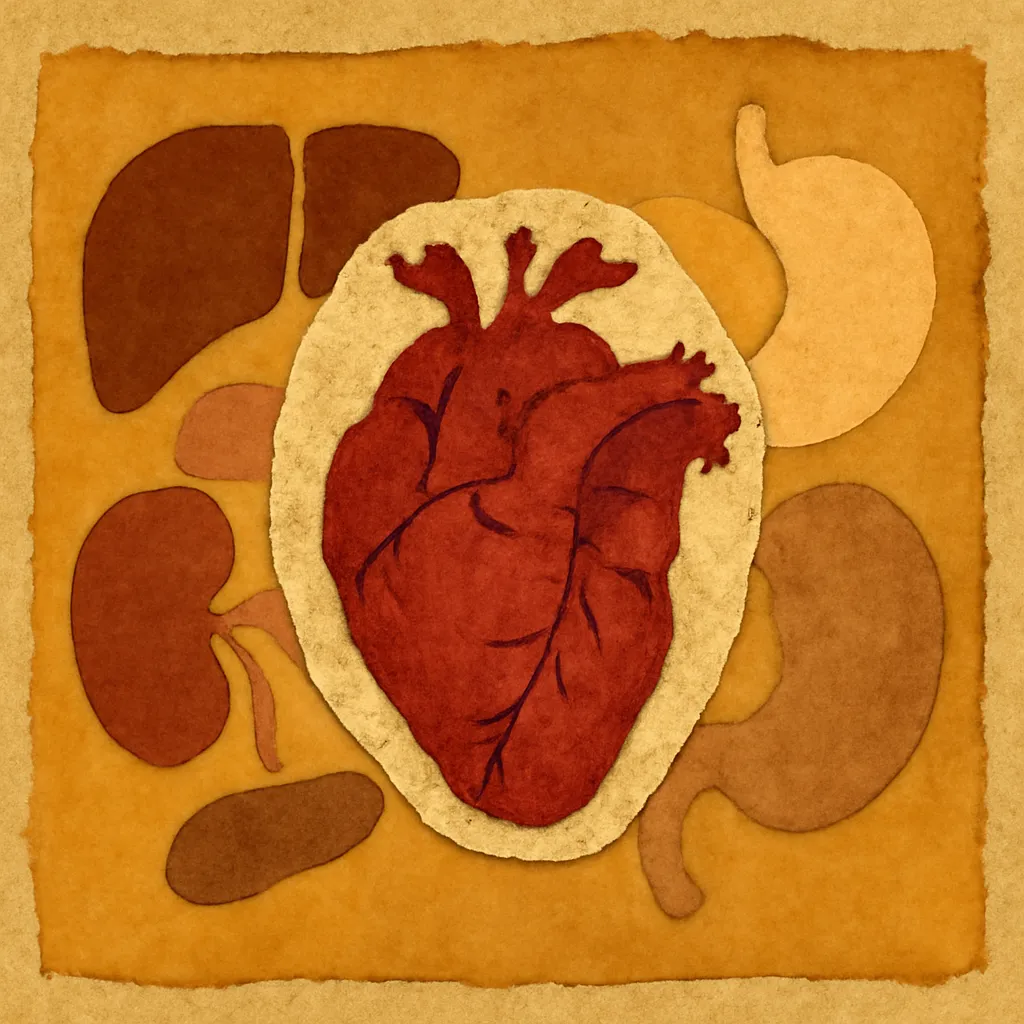
Doctor: every organ except the heart can get cancer
On Cape Talk, a doctor says most people may carry a dormant cancer, and that only the heart itself escapes, not its covering.
“The only organ that doesn't get cancerous is your heart. It's only the covering of the heart which can, the pericardium, which can have cancer, but the heart itself.”
Japan's MMR natural experiment: autism rose as vaccination fell to zero
Dr Chris Smith cites a Japanese study of 300,000 people showing no link between the MMR vaccine and autism diagnoses.
“Five years ago, this was spuriously and erroneously linked to the development of certain developmental disorders like autism off the back of vaccination.”
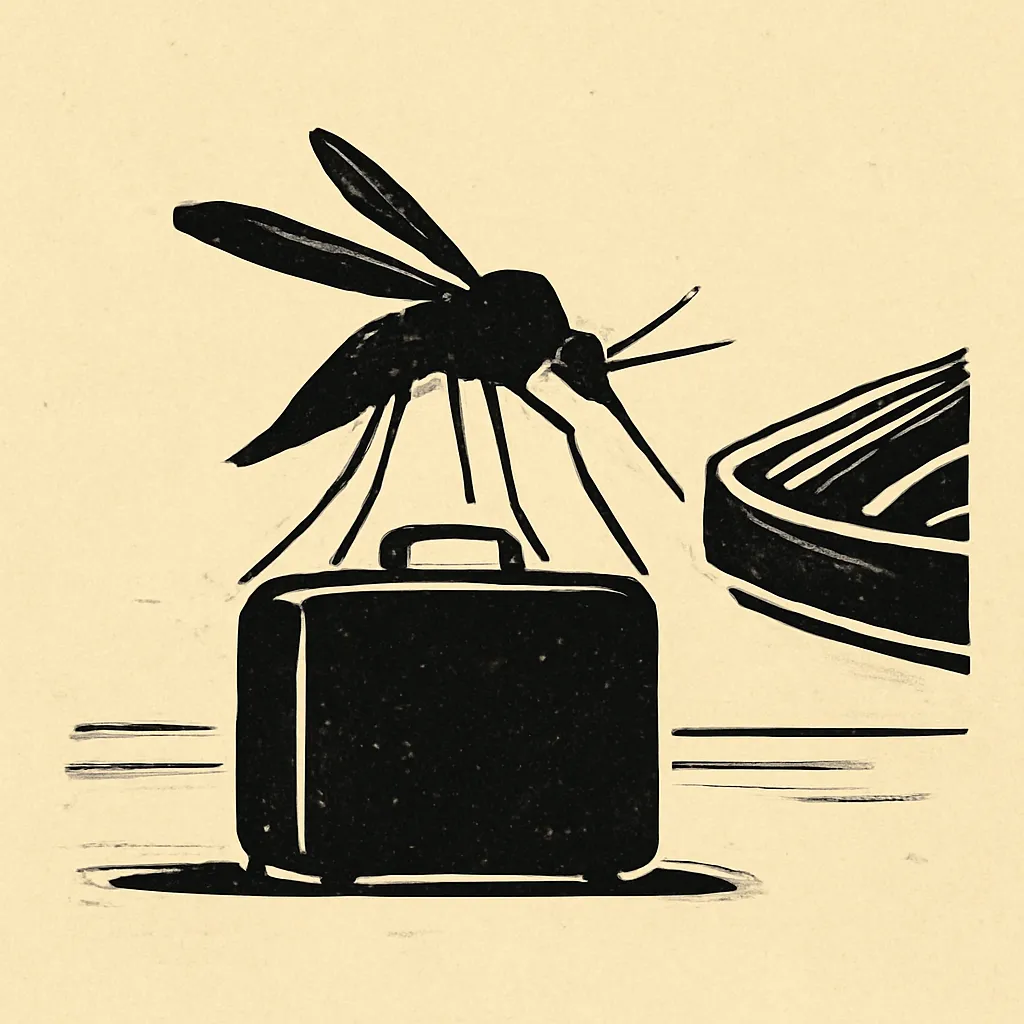
Male mosquitoes can't hear females alone, but together their wingbeats make a 200 Hz tone
A BBC Crowd Science guest explains how mosquito antennal ears use distortion to pick out a female's faint flight tone amid male noise.
“Also, the disease-transmitting mosquitoes hear with their antennae. So the males use it mostly to hear the female. Imagine you're a male mosquito in a swarm of other male mosquitoes.”
Argentine student's Satellites on Fire app cut Mexico ranger deaths to zero
A school project by Franco Rodriguez Viao became an app that alerts firefighters by WhatsApp to blazes detected by satellite within minutes.
“So, after his family friends lost their home in a fire. Back in 2020, Argentina experienced the most wildfires in the country's history, more than 35,000.”
Meteorologists: a wrong forecast can cost millions, and AI is quietly changing weather
702 weather guests explain what 'wrong' means when millions ride on a forecast, and say machine learning has long been used in forecasting.
“Then show him where the clouds and where the bad weather is happening. So you cannot fly. You can't. It's a way out. Oh, they're out in the space. Okay, that's. I told you it was a stupid question.”
Weather firm explains how it sells hail warnings to insurers and miners
Weather professionals on 702 describe how aviation forecasting works and how businesses, mines and insurers profit from weather insights.
“Okay, are you the one who told us about the snow? I'm one of those ones. You saw it coming. But I'm the one who's telling you about the current heat wave. There's a current heat wave.”
Power FM host recalls 2002: Earth Summit, AU launch, Wi-Fi, Brazil's World Cup
A Power FM host looks back at 2002, from Johannesburg's Earth Summit and the African Union launch to Wi-Fi going mainstream and Brazil's fifth World Cup.
“Do you remember the World Summit on Sustainable Developments? It took place back in 2002 in Johannesburg, where we hosted the massive.”
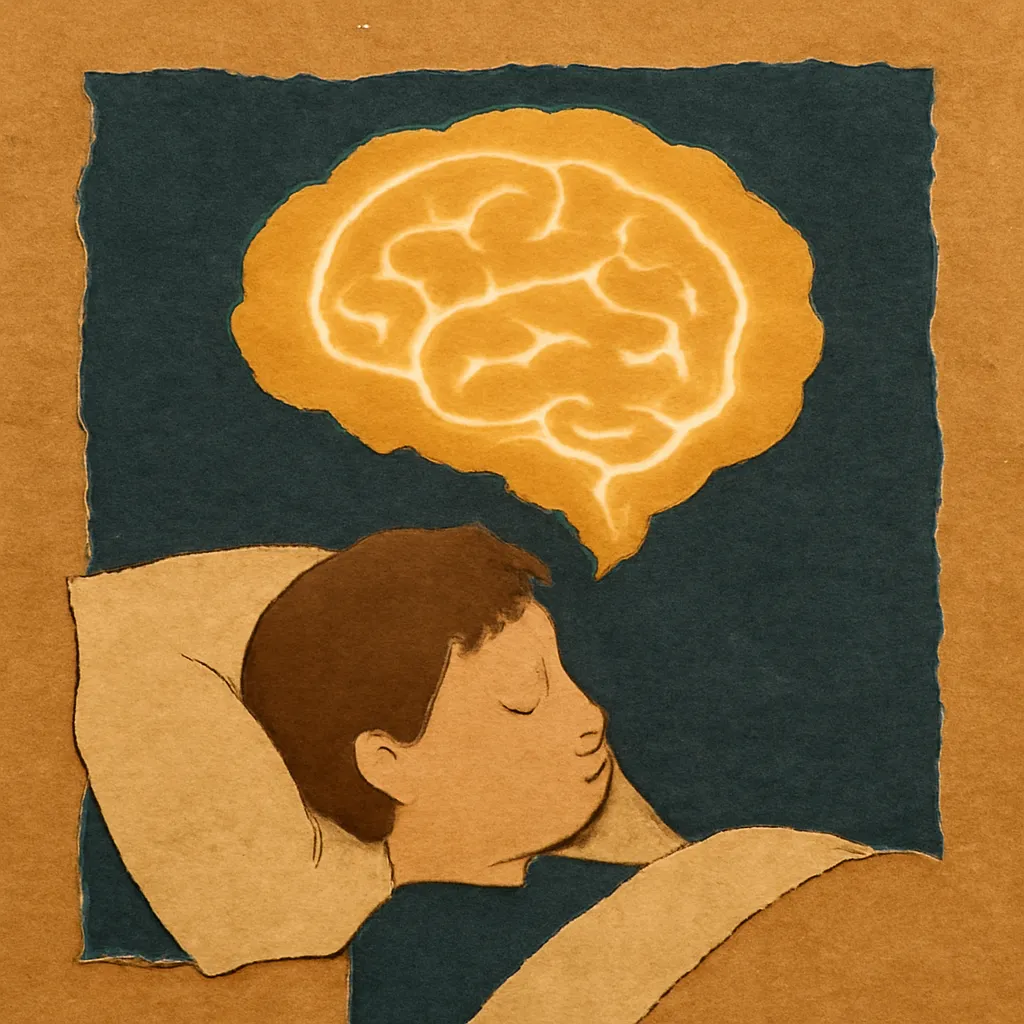
Why cramming fails: the brain needs repetition and sleep to store memory
A 702 guest explains why last-minute studying is poor for long-term recall, citing repetition, engrams and sleep replay, with an ADHD caveat.
“Well, and so with kids, I imagine there's also kind of different styles, but also kids wanting to cram or learn as much as possible in the shortest amount of time.”
Scientist: AI lowers the barrier to designing deadly pathogens
A Naked Scientists guest tells Cape Talk AI that designs helpful bacteriophages could also be misused to engineer more dangerous pathogens.
“Zara writes, he's raised questions around biosecurity, specifically AI lowering the technical barrier to synthesize pathogens or dangerous biocompounds. What's the risk, Zara asks? Yeah, hi, Zara.”
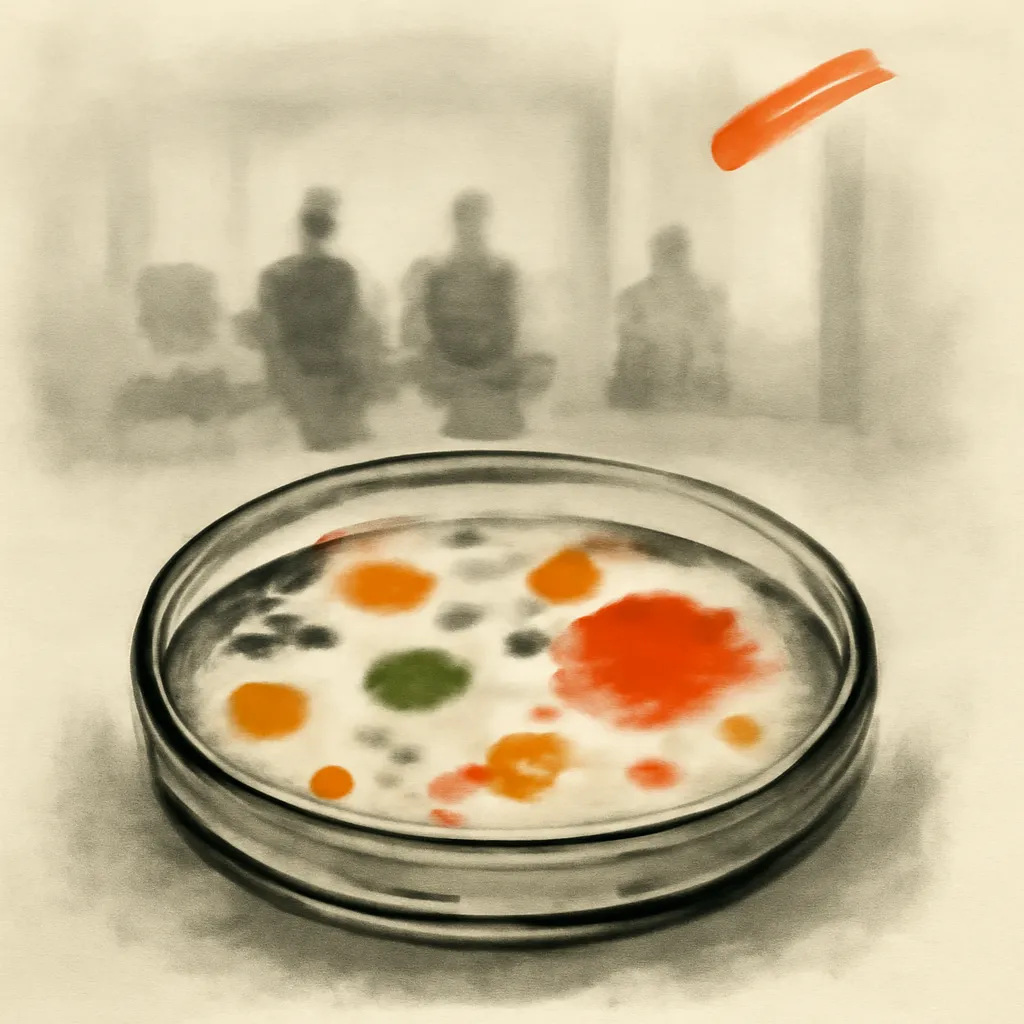
Almost all airborne bacteria at Joburg clinic were multi-drug resistant
A University of Johannesburg researcher says 97 to 100% of respiratory bacteria sampled in a clinic's air were multi-drug resistant.
“About infection risk for vulnerable patients, leading that study from the University of Joburg's Water and Health Research Center, Dr. Lee Heinem. Lee, a very good morning and welcome to the show.”
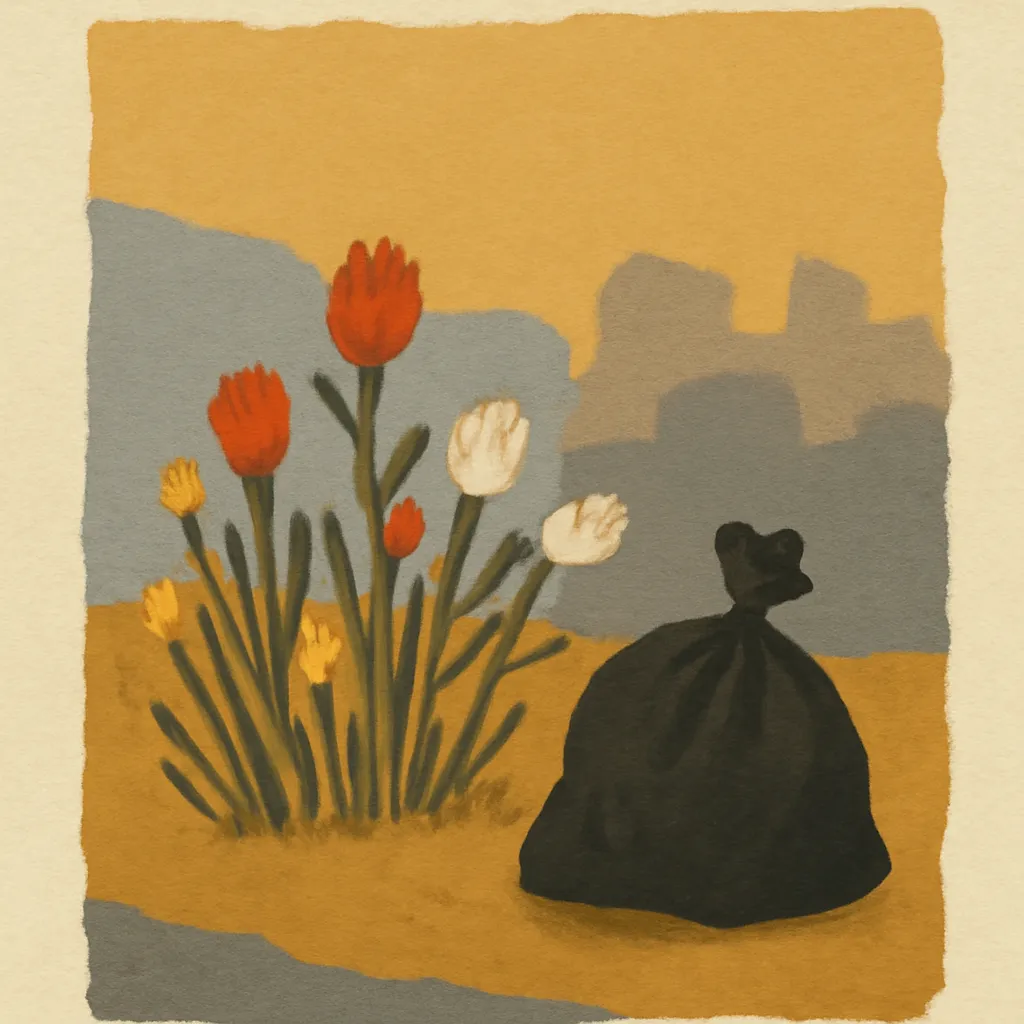
Rondebosch Common: 231 plant species, but too many fires and dog mess
The Friends of Rondebosch Common chair tells Cape Talk the small site holds 34 threatened species but faces frequent fires and litter.
“And the common has had too many fires too frequently. And the reason the problem then is that some of the species don't get time to reproduce, to drop seed or to”
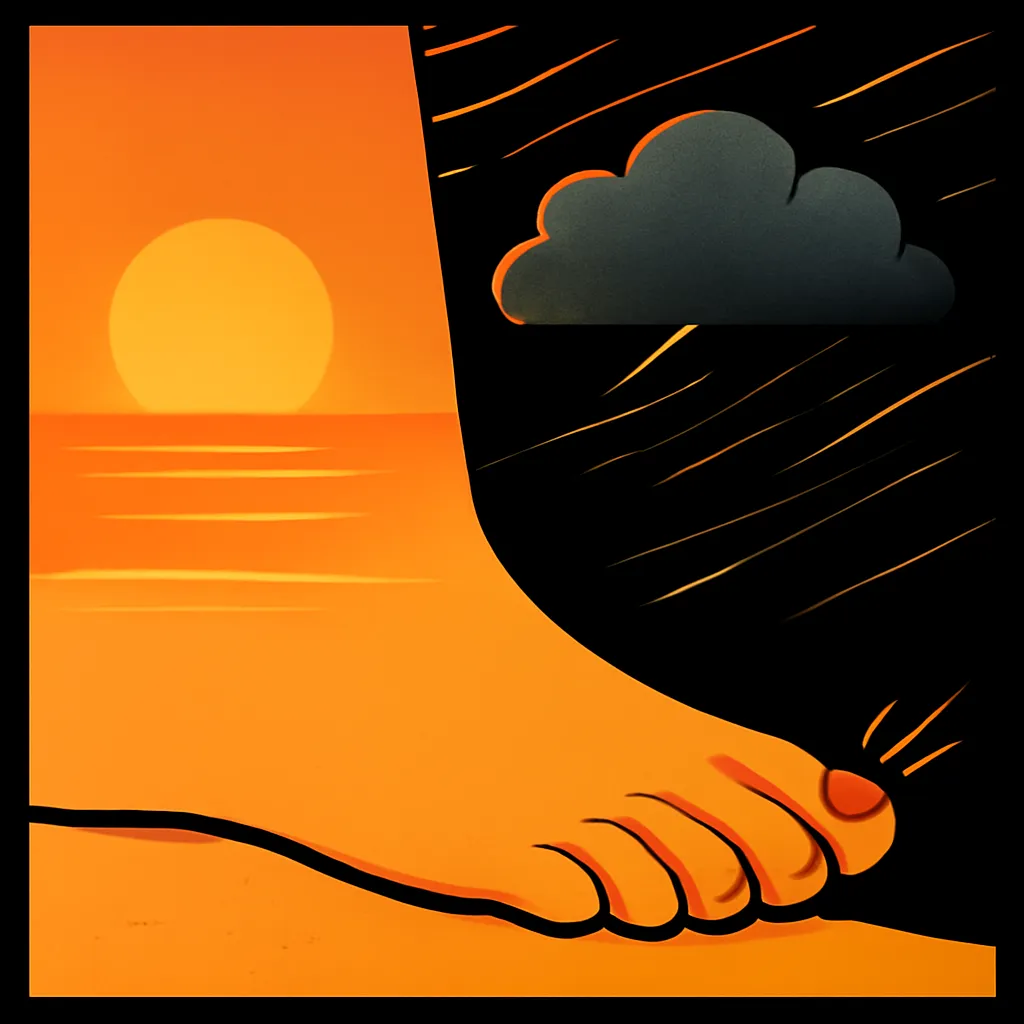
Physio: a bumped toe hurts more after a bad day than a Bali beach day
A Cape Talk guest explains how brain-to-spine signals mean pain is shaped by mood, hormones and sleep, not only the injury site.
“Because you know, and I think the best way to explain this, because if we can kind of debunk this idea that people are just imagining it, it can help so many people.”
Paracetamol made virtual plank walkers braver, study finds
A study had people walk a virtual plank; those given paracetamol were less afraid, moving faster with a smaller heart-rate rise.
“But then, as they were walking out over the plank, they were measuring things like how long it took them to get on the plank physically, how far they moved, the rate at which they moved, and just kind of the general…”
Study: intelligent women seen as less warm and more hostile at work
A UCL management researcher says data from the US and China show intelligent women get less help and more mistreatment than intelligent men.
“Imagine you are at work, you're at the workplace, and someone you work with is very intelligent. It doesn't matter how you categorize that or define it, they're just very intelligent. How do you feel toward them?”
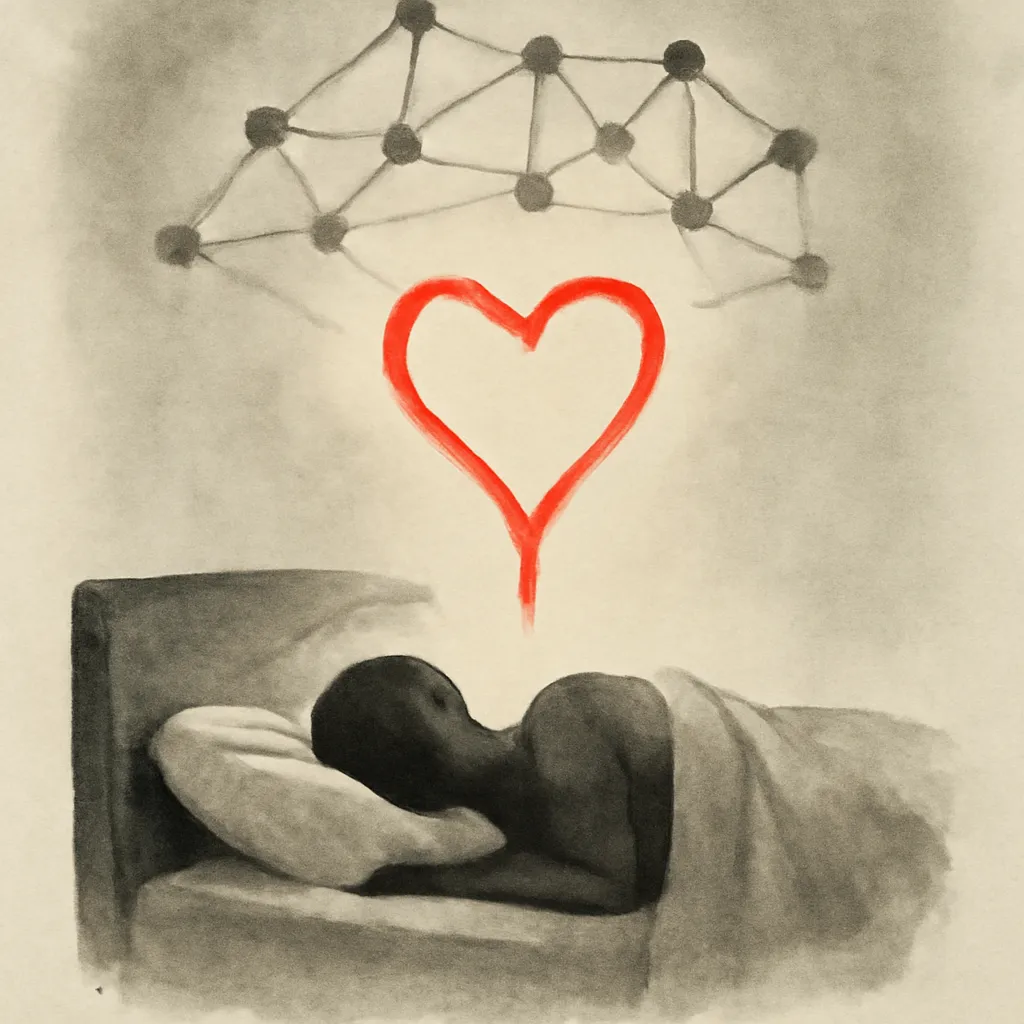
AI reads old sleep-lab heart data to flag cardiac risk a decade ahead
Emory University researchers used deep learning on 16,000 overnight sleep recordings to link heart signals to outcomes over the next 10 years.
“And one of the things they're measuring as well, when they look at you in these sleep labs, is what your heart is doing that whole time. Now, it's not the most relevant data.”
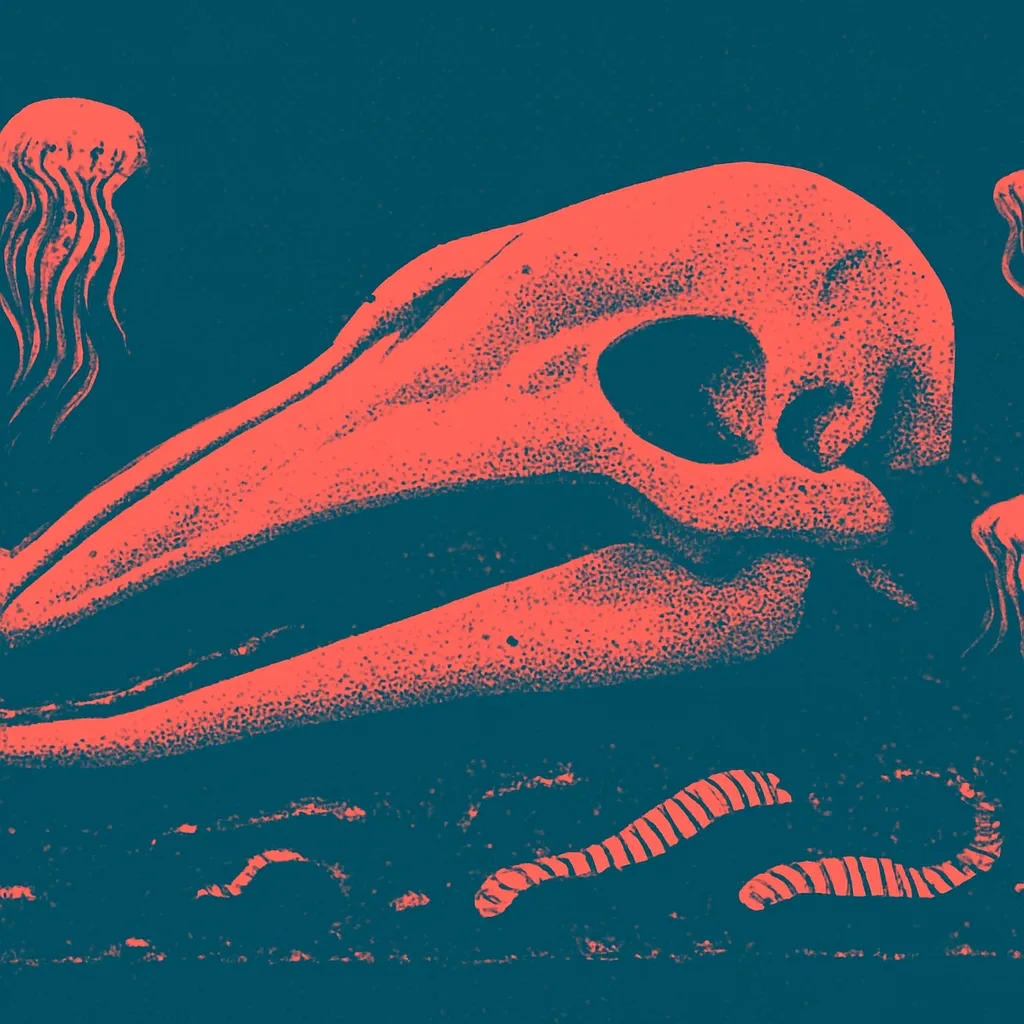
Beaked whale bones found on seabed reveal new species Pterocetus diamantini
A scientist on Cape Talk explains how a low-sedimentation funnel on the ocean floor preserved beaked whale skeletons and led to a new species.
“Near area which we call sort of the migratory corridor for beaked whales, as well as some baleen whales. And as we know, whales are also called these carbon sinks.”
Study finds school phone use explains under 1% of academic performance
A researcher on 702 says strictly enforced school phone policies cut smartphone vigilance, but the effect on academic results is tiny.
“Connectedness. And we took this measure among learners. And we then checked how strictly schools apply policy, not only in wording, but also how strictly educators at these schools enact policy.”
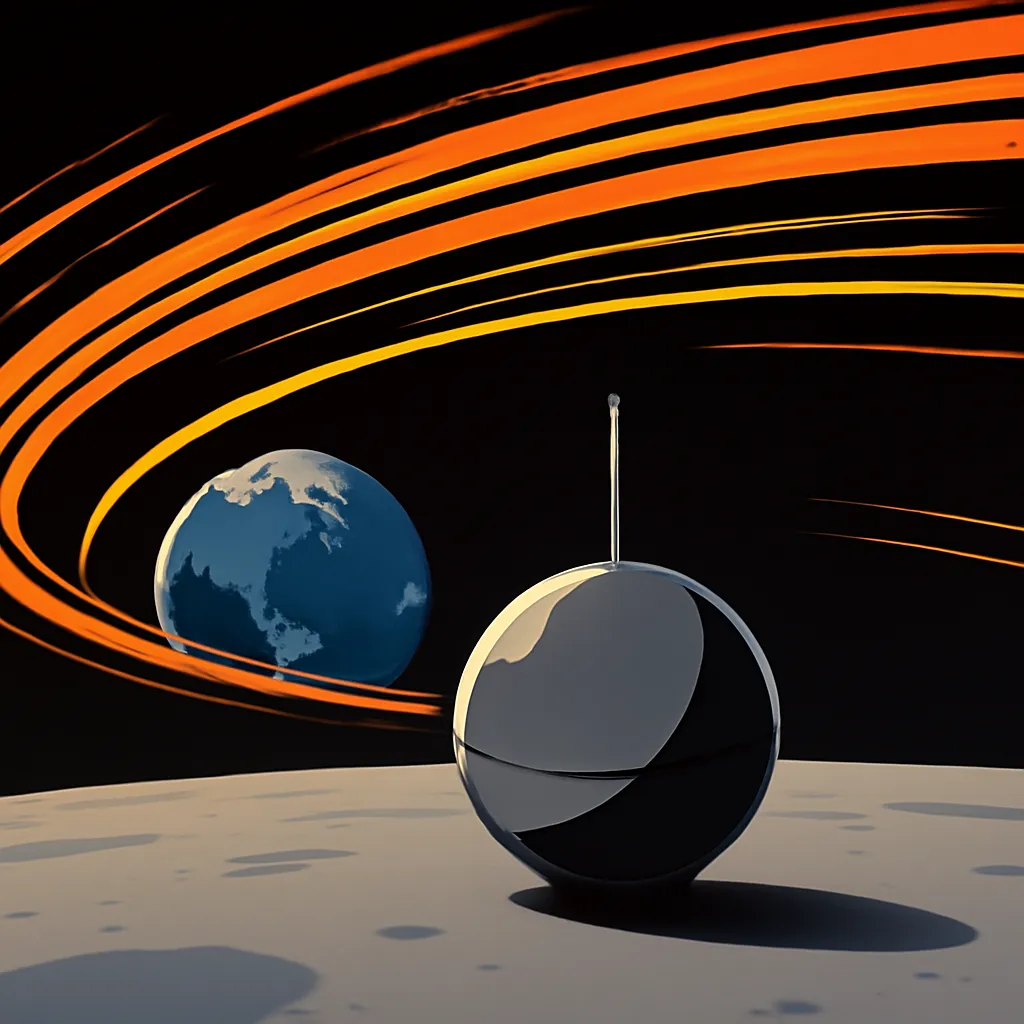
Africa's moon mission to cost under $500,000 instead of $100 million
A South African-led team says its lunar radio antenna payload, built on volunteer time and local industry, will cost under half a million dollars.
“And we got to the point that there was an open call from China to apply to be a payload on their Chang'e 8 mission. And so last year it was announced that we were selected as one of the payloads.”
Heat waves raise preterm birth odds 26% and perinatal deaths 34% in Africa
A Power FM presenter cites research linking heat waves to preterm birth and perinatal mortality, and WHO data on babies' heat exposure.
“Research published in 2024 found that exposure to heat waves is associated with a 26% increase in odds of preterm birth and extreme heat and perinatal mortality, rather, also involving more than 40, nearly 140,000…”
Eight malaria cases in Frankfurt, none had travelled to a malaria region
On a BBC science show, Kai Kupperschmid explains that eight Frankfurt malaria cases, three fatal, involved no travel, with two theories.
“So we've had between July and September in Frankfurt eight cases of malaria, and three of those patients actually died. In Frankfurt? As far as I know, malaria is not really a thing in Germany.”
Finance graduate leading Africa's moon mission once thought space was for NASA
Dr Carla Mitchell recounts how she went from studying finance and economics to leading Africa to Moon, and presenting it at NASA Ames.
“I mean, you studied finance and economics, and now you're leading a mission to the moon. Yeah, so as a little girl, I was always obsessed with space.”
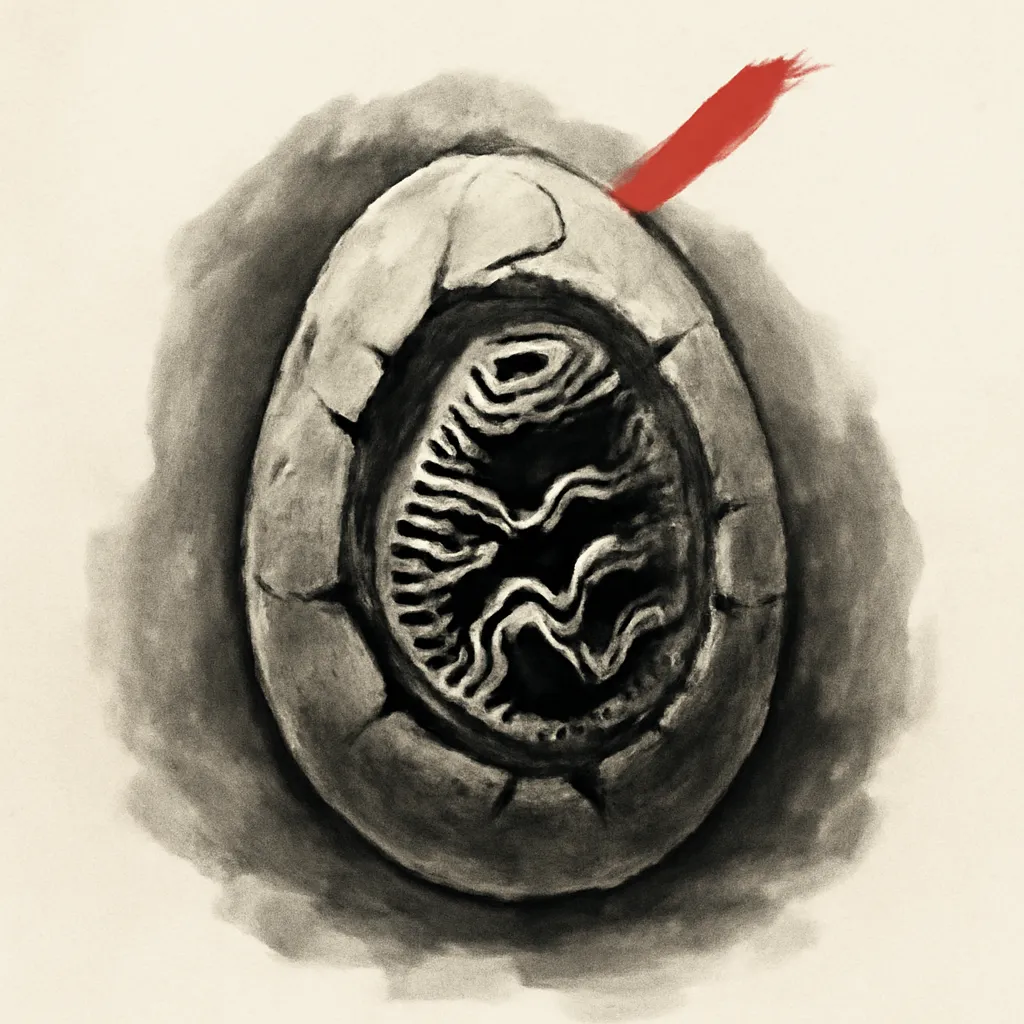
200-million-year-old dinosaur embryo found curled up inside South African egg
A paleontologist explains how the first land eggs evolved and how Massospondylus eggs from South Africa preserved a complete dinosaur embryo.
“And amphibians, those eggs are soft and they're wet and they're jelly-like, and they have to be laid in water or at least in very damp places because they have no protection and they just dry out.”
Climate comic's fix for flying: make people afraid, with snakes on planes
A climate comedian jokes that a return London-New York flight cancels years of recycling, then pitches glass floors and snakes on planes to cut demand.
“So people just don't, I don't think, quite grasp the magnitude of what causes more problems than others. And it's a very, you know, it's a very Western, decadent thing to do.”
Climate comedian's show on having kids: just have better children
Comedian Matt Winning jokes about weighing emissions against fatherhood, quipping that the children are our future and to have better children.
“Despite the fact that having children goes hand in hand with increased use of resources, energy consumption, and waste generation, albeit to massively varying degrees.”
Interview quiz and a lone guest's walk made him a safari guide
A Power FM guest recalls landing a ranger job without knowing the work, then a lone visitor's request for a walking partner led to guiding.
“But I arrive and I get met by the man, they call him a senior warden who was going to do the interview, and he gives me a piece of paper. There are questions, and the questions are all wildlife-related questions.”
HIV infections stalled since 2019 as treatment gaps widen and older adults rise
A professor says new HIV infections in northern KwaZulu-Natal fell sharply to 2018 but have flatlined, as viral suppression drops and older groups see more cases.
“In northern KwaZulu-Natal was followed up an entire population for over 20 years and look at the rate of new HIV infections, and new HIV infections tell you where you're going in the epidemic.”
45% of migratory birds in decline; Arctic tern flies to the moon and back
BirdLife International's Dr Stuart Butchart says 200 migratory species face extinction, and describes the Arctic tern's epic journeys.
“State of the World's Birds report is released every four years, and this was the first devoted to migratory birds and the flyaways that they depend on. We are joined now via Zoom by Dr.”
Host asks if weather forecasters get it wrong: 'I'm coming after you'
A 702 host quizzes weather service staff on how satellites work, whether forecasts fail, and who pays when predictions are wrong.
“We are looking at it as it happens, and then we advise them to say, Don't fly over Plumfrontaines. Let me suppose they want to go to Cape Town from Johannesburg, but we see that in the free state there are storms there.”
Eve's footprints: 117,000-year-old tracks point to where we all began
Paleontologist Charles Helm tells Cape Talk how a rescued slab of tracks and 24 Cape coast sites suggest modern humans began there.
“Was I would consider fairly aggressive, but he came to the conclusion that these might have been made by a female, perhaps carrying a child, was his conclusion. And one thing led to another.”
Cape Town's hay fever is homegrown: imported trees and the Cape Doctor
A doctor on Cape Talk explains how pollen triggers allergies and why most Cape Town pollen comes from imported trees, not indigenous plants.
“Club. It triggers that grenade. The grenade goes off, outpours histamine, and your nose and your eyes start to itch. You sneeze to obviously blast that intruder out, and your mucus taps open just to wash it all away.”
Deep bed farming helps Malawi farmers more than double their yields
A BBC World Service report says deep bed farming has been taught to 40,000 Malawian farmers, with yields more than doubling and food security within a year.
“By the time it was growing, it was already making decisions to say, hey, I need a co-Isaac Chavula is a country director of TNE, the NGO behind Deep Bed Farming.”
Study of 100,000 scans links brown fat to better health, and a BP drug may activate it
A Rockefeller University cardiologist says brown fat, activated by cold, is linked to fewer health conditions, and losartan activated it in cells and mice.
“But new research examining the medical records and scans of more than 100,000 patients has found that if you have more brown fat, it could reduce your likelihood of having various health conditions, including mental…”
Sniffer dog and soil DNA rediscover golden mole unseen since 1937
A Cape Talk guest describes using a detection dog and soil eDNA to rediscover De Winton's golden mole on the West Coast.
“And this was the De Winton's golden mole. I don't know if you know what a golden mole is. It's a small subterranean mammal that lives underground. And we have 17 species in South Africa, 21 species in Africa.”
Musk's thruster roadster: 0-100 in 0.81 seconds, flying car a party trick
A 702 motoring guest explains the rocket-assisted electric roadster demo, its physics, and which versions the public may buy.
“But on a much bigger scale, fully controlled, and a car was then, let's call it, flying for five seconds or controlled to descend for five seconds. Thank you for using the word controlled descent.”
Water expert: Premier's El Nino excuse 'disingenuous', crisis is infrastructure
Watercan's Dr Fariel Adam says civil society warned for years, and rejects the Joburg mayor's claim that there is no water crisis.
“So, when you heard the Premier, as I no doubt assume you would have, saying it's El Nino, we were caught of God, we didn't know this was going to happen. Oh my goodness, what were your thoughts?”
Doctor: every organ except the heart can get cancer
On Cape Talk, a doctor says most people may carry a dormant cancer, and that only the heart itself escapes, not its covering.
“The only organ that doesn't get cancerous is your heart. It's only the covering of the heart which can, the pericardium, which can have cancer, but the heart itself.”
Japan's MMR natural experiment: autism rose as vaccination fell to zero
Dr Chris Smith cites a Japanese study of 300,000 people showing no link between the MMR vaccine and autism diagnoses.
“Five years ago, this was spuriously and erroneously linked to the development of certain developmental disorders like autism off the back of vaccination.”
Male mosquitoes can't hear females alone, but together their wingbeats make a 200 Hz tone
A BBC Crowd Science guest explains how mosquito antennal ears use distortion to pick out a female's faint flight tone amid male noise.
“Also, the disease-transmitting mosquitoes hear with their antennae. So the males use it mostly to hear the female. Imagine you're a male mosquito in a swarm of other male mosquitoes.”
Argentine student's Satellites on Fire app cut Mexico ranger deaths to zero
A school project by Franco Rodriguez Viao became an app that alerts firefighters by WhatsApp to blazes detected by satellite within minutes.
“So, after his family friends lost their home in a fire. Back in 2020, Argentina experienced the most wildfires in the country's history, more than 35,000.”
Meteorologists: a wrong forecast can cost millions, and AI is quietly changing weather
702 weather guests explain what 'wrong' means when millions ride on a forecast, and say machine learning has long been used in forecasting.
“Then show him where the clouds and where the bad weather is happening. So you cannot fly. You can't. It's a way out. Oh, they're out in the space. Okay, that's. I told you it was a stupid question.”
Weather firm explains how it sells hail warnings to insurers and miners
Weather professionals on 702 describe how aviation forecasting works and how businesses, mines and insurers profit from weather insights.
“Okay, are you the one who told us about the snow? I'm one of those ones. You saw it coming. But I'm the one who's telling you about the current heat wave. There's a current heat wave.”
Power FM host recalls 2002: Earth Summit, AU launch, Wi-Fi, Brazil's World Cup
A Power FM host looks back at 2002, from Johannesburg's Earth Summit and the African Union launch to Wi-Fi going mainstream and Brazil's fifth World Cup.
“Do you remember the World Summit on Sustainable Developments? It took place back in 2002 in Johannesburg, where we hosted the massive.”
702·Weekend Breakfast with Gugs Mhlungu6 days agoFollow
Why cramming fails: the brain needs repetition and sleep to store memory
A 702 guest explains why last-minute studying is poor for long-term recall, citing repetition, engrams and sleep replay, with an ADHD caveat.
“Well, and so with kids, I imagine there's also kind of different styles, but also kids wanting to cram or learn as much as possible in the shortest amount of time.”
Scientist: AI lowers the barrier to designing deadly pathogens
A Naked Scientists guest tells Cape Talk AI that designs helpful bacteriophages could also be misused to engineer more dangerous pathogens.
“Zara writes, he's raised questions around biosecurity, specifically AI lowering the technical barrier to synthesize pathogens or dangerous biocompounds. What's the risk, Zara asks? Yeah, hi, Zara.”
Almost all airborne bacteria at Joburg clinic were multi-drug resistant
A University of Johannesburg researcher says 97 to 100% of respiratory bacteria sampled in a clinic's air were multi-drug resistant.
“About infection risk for vulnerable patients, leading that study from the University of Joburg's Water and Health Research Center, Dr. Lee Heinem. Lee, a very good morning and welcome to the show.”
Rondebosch Common: 231 plant species, but too many fires and dog mess
The Friends of Rondebosch Common chair tells Cape Talk the small site holds 34 threatened species but faces frequent fires and litter.
“And the common has had too many fires too frequently. And the reason the problem then is that some of the species don't get time to reproduce, to drop seed or to”
Physio: a bumped toe hurts more after a bad day than a Bali beach day
A Cape Talk guest explains how brain-to-spine signals mean pain is shaped by mood, hormones and sleep, not only the injury site.
“Because you know, and I think the best way to explain this, because if we can kind of debunk this idea that people are just imagining it, it can help so many people.”
Paracetamol made virtual plank walkers braver, study finds
A study had people walk a virtual plank; those given paracetamol were less afraid, moving faster with a smaller heart-rate rise.
“But then, as they were walking out over the plank, they were measuring things like how long it took them to get on the plank physically, how far they moved, the rate at which they moved, and just kind of the general…”
Study: intelligent women seen as less warm and more hostile at work
A UCL management researcher says data from the US and China show intelligent women get less help and more mistreatment than intelligent men.
“Imagine you are at work, you're at the workplace, and someone you work with is very intelligent. It doesn't matter how you categorize that or define it, they're just very intelligent. How do you feel toward them?”
AI reads old sleep-lab heart data to flag cardiac risk a decade ahead
Emory University researchers used deep learning on 16,000 overnight sleep recordings to link heart signals to outcomes over the next 10 years.
“And one of the things they're measuring as well, when they look at you in these sleep labs, is what your heart is doing that whole time. Now, it's not the most relevant data.”
Beaked whale bones found on seabed reveal new species Pterocetus diamantini
A scientist on Cape Talk explains how a low-sedimentation funnel on the ocean floor preserved beaked whale skeletons and led to a new species.
“Near area which we call sort of the migratory corridor for beaked whales, as well as some baleen whales. And as we know, whales are also called these carbon sinks.”
Study finds school phone use explains under 1% of academic performance
A researcher on 702 says strictly enforced school phone policies cut smartphone vigilance, but the effect on academic results is tiny.
“Connectedness. And we took this measure among learners. And we then checked how strictly schools apply policy, not only in wording, but also how strictly educators at these schools enact policy.”
Africa's moon mission to cost under $500,000 instead of $100 million
A South African-led team says its lunar radio antenna payload, built on volunteer time and local industry, will cost under half a million dollars.
“And we got to the point that there was an open call from China to apply to be a payload on their Chang'e 8 mission. And so last year it was announced that we were selected as one of the payloads.”
Heat waves raise preterm birth odds 26% and perinatal deaths 34% in Africa
A Power FM presenter cites research linking heat waves to preterm birth and perinatal mortality, and WHO data on babies' heat exposure.
“Research published in 2024 found that exposure to heat waves is associated with a 26% increase in odds of preterm birth and extreme heat and perinatal mortality, rather, also involving more than 40, nearly 140,000…”
Eight malaria cases in Frankfurt, none had travelled to a malaria region
On a BBC science show, Kai Kupperschmid explains that eight Frankfurt malaria cases, three fatal, involved no travel, with two theories.
“So we've had between July and September in Frankfurt eight cases of malaria, and three of those patients actually died. In Frankfurt? As far as I know, malaria is not really a thing in Germany.”
Finance graduate leading Africa's moon mission once thought space was for NASA
Dr Carla Mitchell recounts how she went from studying finance and economics to leading Africa to Moon, and presenting it at NASA Ames.
“I mean, you studied finance and economics, and now you're leading a mission to the moon. Yeah, so as a little girl, I was always obsessed with space.”
200-million-year-old dinosaur embryo found curled up inside South African egg
A paleontologist explains how the first land eggs evolved and how Massospondylus eggs from South Africa preserved a complete dinosaur embryo.
“And amphibians, those eggs are soft and they're wet and they're jelly-like, and they have to be laid in water or at least in very damp places because they have no protection and they just dry out.”
Climate comic's fix for flying: make people afraid, with snakes on planes
A climate comedian jokes that a return London-New York flight cancels years of recycling, then pitches glass floors and snakes on planes to cut demand.
“So people just don't, I don't think, quite grasp the magnitude of what causes more problems than others. And it's a very, you know, it's a very Western, decadent thing to do.”
Climate comedian's show on having kids: just have better children
Comedian Matt Winning jokes about weighing emissions against fatherhood, quipping that the children are our future and to have better children.
“Despite the fact that having children goes hand in hand with increased use of resources, energy consumption, and waste generation, albeit to massively varying degrees.”
Interview quiz and a lone guest's walk made him a safari guide
A Power FM guest recalls landing a ranger job without knowing the work, then a lone visitor's request for a walking partner led to guiding.
“But I arrive and I get met by the man, they call him a senior warden who was going to do the interview, and he gives me a piece of paper. There are questions, and the questions are all wildlife-related questions.”
HIV infections stalled since 2019 as treatment gaps widen and older adults rise
A professor says new HIV infections in northern KwaZulu-Natal fell sharply to 2018 but have flatlined, as viral suppression drops and older groups see more cases.
“In northern KwaZulu-Natal was followed up an entire population for over 20 years and look at the rate of new HIV infections, and new HIV infections tell you where you're going in the epidemic.”
45% of migratory birds in decline; Arctic tern flies to the moon and back
BirdLife International's Dr Stuart Butchart says 200 migratory species face extinction, and describes the Arctic tern's epic journeys.
“State of the World's Birds report is released every four years, and this was the first devoted to migratory birds and the flyaways that they depend on. We are joined now via Zoom by Dr.”
Host asks if weather forecasters get it wrong: 'I'm coming after you'
A 702 host quizzes weather service staff on how satellites work, whether forecasts fail, and who pays when predictions are wrong.
“We are looking at it as it happens, and then we advise them to say, Don't fly over Plumfrontaines. Let me suppose they want to go to Cape Town from Johannesburg, but we see that in the free state there are storms there.”
Eve's footprints: 117,000-year-old tracks point to where we all began
Paleontologist Charles Helm tells Cape Talk how a rescued slab of tracks and 24 Cape coast sites suggest modern humans began there.
“Was I would consider fairly aggressive, but he came to the conclusion that these might have been made by a female, perhaps carrying a child, was his conclusion. And one thing led to another.”
Cape Town's hay fever is homegrown: imported trees and the Cape Doctor
A doctor on Cape Talk explains how pollen triggers allergies and why most Cape Town pollen comes from imported trees, not indigenous plants.
“Club. It triggers that grenade. The grenade goes off, outpours histamine, and your nose and your eyes start to itch. You sneeze to obviously blast that intruder out, and your mucus taps open just to wash it all away.”